Late 1930's-1950's early days
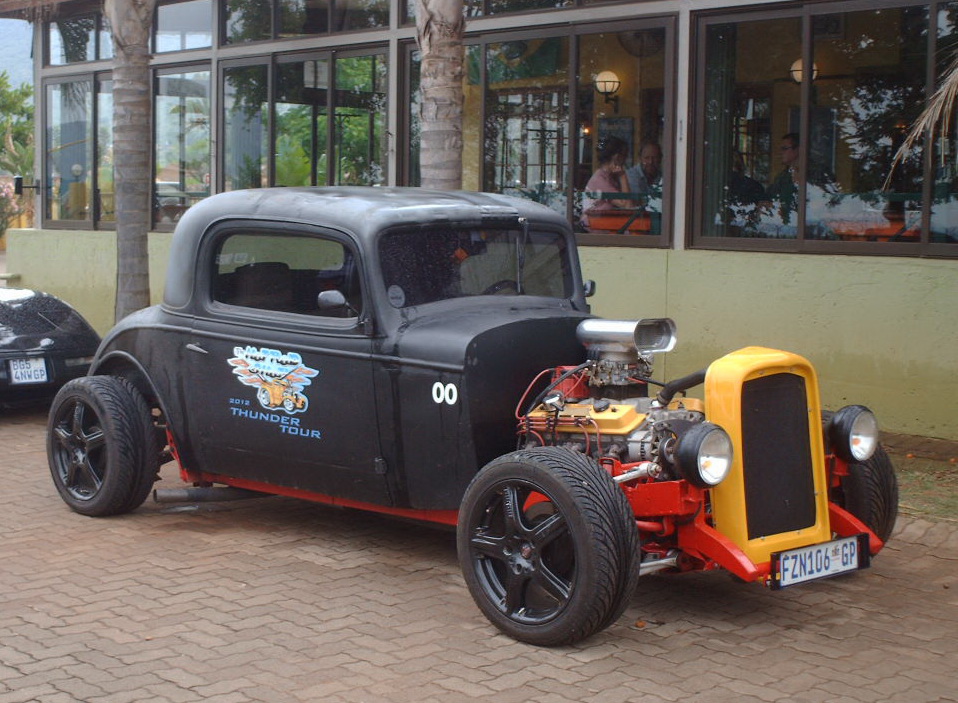
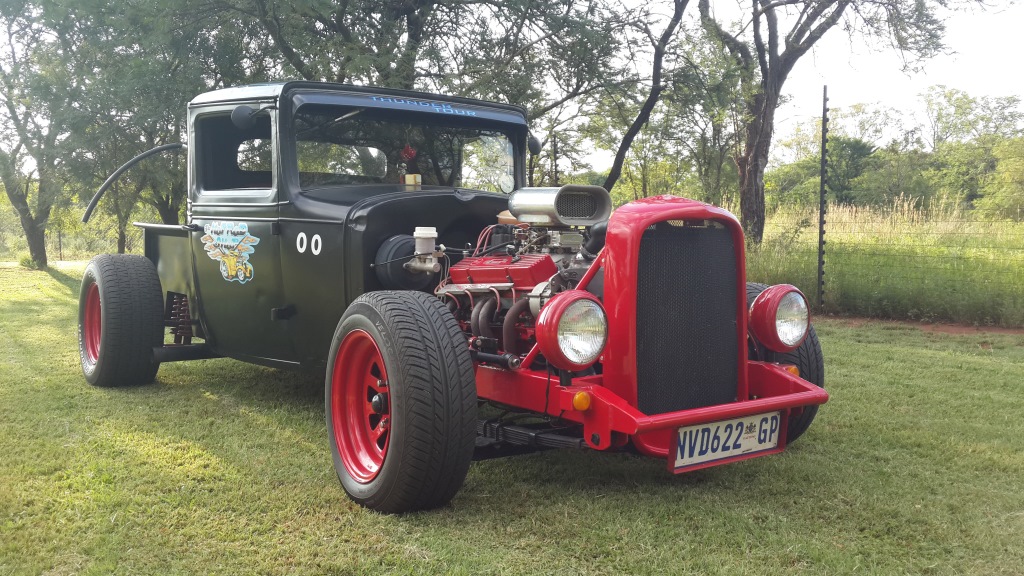
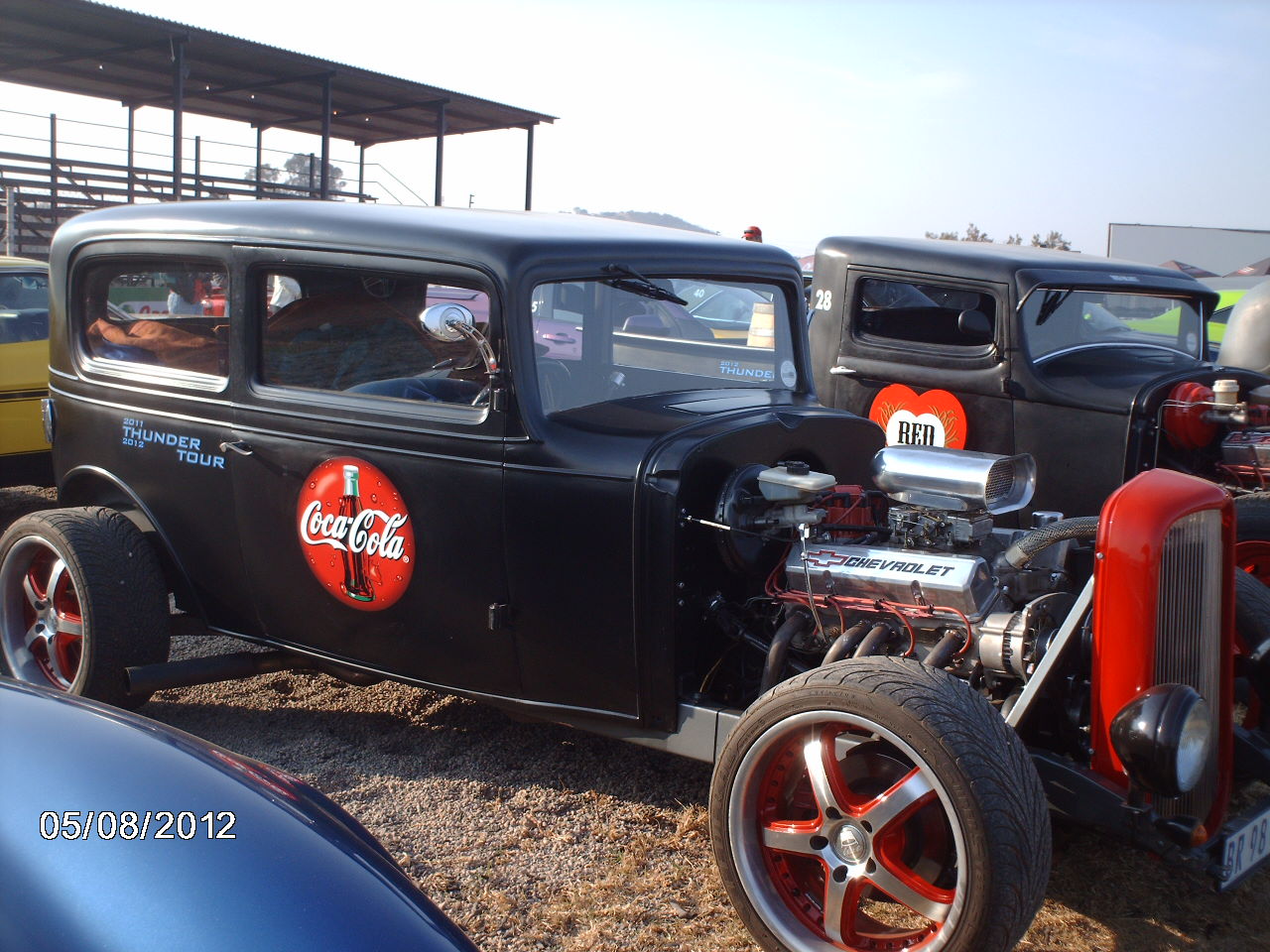
The term seems to have appeared in the late 1930’s in southern California, where people would race their modified cars on the vast, empty dry lake beds northeast of Los Angeles under the rules of the Southern California Timing Association. The activity increased in popularity after World War II, particularly in California because many returning soldiers had been given technical training in the service. The original hot rods were old cars (most often Fords, typically Model T’s, Model A’s 1928-31, 1932-34 Model B’s, or V8’s) that had been modified to reduce weight and improve aerodynamics. Typical modifications were removal of convertible tops, hoods, bumpers, windshields, and/or fenders); lowering the chassis; and modifying the engine by tuning and/or replacing with a more powerful type. Wheels and tires (Big’s & Small’s) were changed for improved traction and handling. “Hot Rod” was sometimes a term used in the 1950’s as a derogatory term for any car that did not fit into the mainstream. Hot rodder’s modifications were considered to improve the appearance as well.
Post WWII origins of organized rodding
After World War II there were many small military airports throughout the country that were either abandoned or very rarely used that allowed hot rodders across the country to race on marked courses. Originally Drag Racing had tracks that may have been as long as one mile or more and included up to four lanes of racing at the same time. As hot rodding became more popular in the 1950’s, magazines and associations catering to hot rodders were started. As hot rodders began to race on the street in addition to drag strips, a need arose for an organization to promote the images of hot rodders. Hot rodders (including Wally Parks) created the National Hot Rod Association (NHRA) to bring racing off the streets and onto the tracks. They created rules based on safety and entertainment, and allowed Hot rodders of any caliber the ability to race. The annual California Hot Rod Reunion and National Hot Rod Reunion are held to honor pioneers in the sport. The Wally Parks NHRA Motorsports Museum houses the roots of hot rodding.
1970s rise of the street rod
As automobiles offered from the major automakers began increasing performance, the lure of Hot Rods began to wane. It was no longer necessary to put a Cadillac engine in a Ford roadster to be fast. It was now possible to buy a Muscle Car that outperformed just about any Hot Rod, with more passenger room, and without having to expend the effort of building and tuning the car oneself. After the 1973 Oil Crisis, the public called on automakers to offer safety and fuel efficiency over performance. The resulting decrease in an average ca(s performance led to a resurgence of hot rodding, although the focus was on driving Hot Rods over racing so the term ‘Street Rod’ was coined to denote a vehicle manufactured prior to 1949,often with a more reliable late model drivetrain. Street rodding as it was now known was a different phenomenon than hot rodding, as street rodding was mainly family oriented. National events were hosted by the National Street Rod Association (NSRA),which also stressed safety as the NHRA did 20 years before, but this was safety for the street as opposed to on the race track. Each NSRA event has a ‘Safety Inspection Team‘ that performs a 23 points inspection process that goes beyond what normal State Safety Inspections Require.
Modern rodding
There is still a vibrant Hot Rod culture worldwide, especially in the United States, The United Kingdom, Australia, Sweden and now in South Africa. The hot rod community has been subdivided into two main groups: hot rodders and street rodders. Hot rodders build their cars using a lot of original, old parts, and follow the styles that were popular from the 1940s through the 1960s. Street rodders build cars (or have them built for them) using primarily new parts.